Walking slots
Block two ten-minute walks if you can; think of them as mild appointments you are allowed to move, not cancel.

Small steps around daylight, movement, food, and rest—written for long Finnish days and dark winters. Pick one idea, try it for a week, and change it if it does not fit your life. Individual results vary; nothing here replaces advice from a qualified professional when you need it.
Big New Year plans often fade because they ask too much at once. It is easier to tie a new habit to something you already do—coffee brewing, the first bus stop, opening the laptop. In Finland the amount of daylight changes a lot through the year, so a rigid timetable copied from sunnier countries may frustrate you. Try stacking gentle layers instead: a bit of outdoor light in the morning, a short stretch before noon, a warm lunch, and a simple wind-down cue in the evening.
Here we share everyday ideas about movement, meals, light, and focus. They are general tips for adults in normal life—not personal medical or therapy advice. If you need help for a health condition, talk to a professional who knows your situation.
Whrexxondrax.world publishes free, general-interest articles about everyday pacing in Finland. We are not a clinic, a coach marketplace, or a shop: you cannot book treatment, buy supplements, or get a personalised meal or training plan here. Content is meant for curious adults browsing in their own time.
If you use online advertising to reach this page, the experience should match a simple editorial site—clear navigation, easy-to-find contact details and legal pages, and no surprise paywalls or health-product checkout.
Many people feel a little more awake after a short walk or even standing by a bright window before work. You do not need a perfect seafront—lift the blind on an east-facing window, step onto a balcony for a minute, or walk one extra block to the bus. Add a slow shoulder roll and a glass of water so the break refreshes your eyes and your posture, not just your calendar.
When the sky stays grey for weeks, a small desk lamp with a warmer tone in the morning and a calmer light in the evening can still signal “work” and “rest.” Change one thing at a time and jot down how you felt a few hours later; simple notes help you see what actually helped.
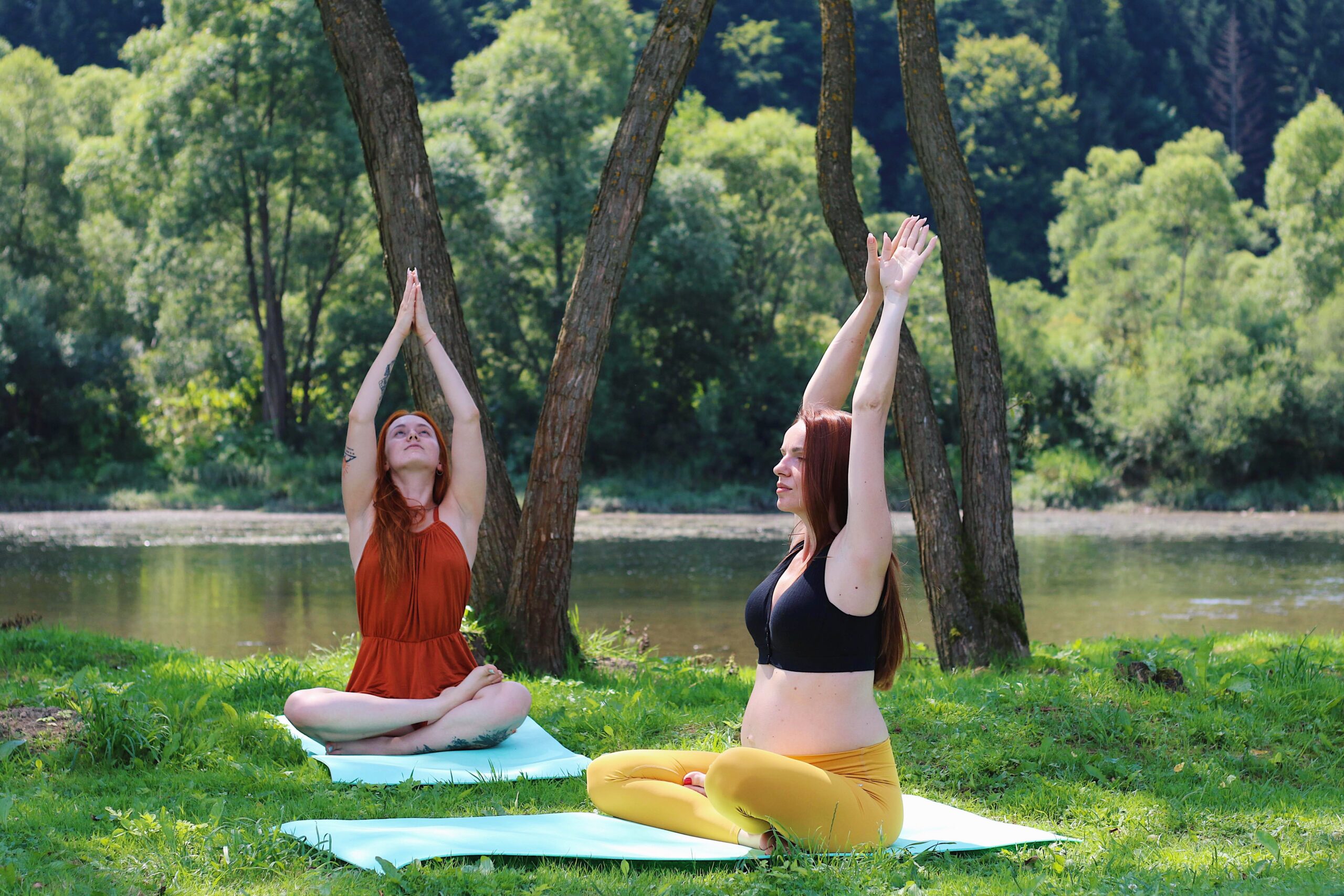
Pictures can remind you what you want more of this week: morning air, a wider view between tasks, or softer light before bed. Hover a tile for a slight lift, or open the large view to notice textures and colours you enjoy—then borrow the feeling in your own day, not the exact scene.
For many people, mood and alertness track somewhat with natural light and late-night screen use—but everyone is different. For one week, note (even roughly) when you first step outside or stand by a bright window, and when you last scroll in bed.
If lunch walks keep getting skipped, try moving one meeting by fifteen minutes or taking one call while you walk. Change little things so you can tell what helped.
Softer wall colours, a desk lamp angled away from your eyes, or a cloth on a shiny table can ease glare during long reading. If you share a calendar with family or coworkers, a short block labelled “outside break” can make the habit visible without nagging anyone.
Block two ten-minute walks if you can; think of them as mild appointments you are allowed to move, not cancel.
Lower screen brightness indoors; use a calm background colour for long documents.
Dim lights step by step; save detailed work for daylight hours when possible.
In wet or icy weather, wear shoes with grip and visible layers if you walk near traffic. At home, clear space before balance exercises and use a chair only for light balance help, not full weight unless it is meant for that. Drink water around sauna or very hot rooms, and cool down slowly if you are new to big temperature changes.
Stop if you feel faint, sharp pain, or very unwell, and get help if you need it. These pages are general lifestyle ideas, not a check-up. With teens at home, invite them to try ideas voluntarily instead of forcing one schedule on everyone.
Local walks, gentle classes, and workplace well-being slots can support your week. The dated lines below are illustrative placeholders only—they are not live tickets, bookings, or endorsed partners. Always check real listings from libraries, sports clubs, or your employer before you go.
Confirm time, cost, and access with organisers. If a venue feels too crowded for you, skip it and try another day.
No. Most tips use a chair, wall, water bottle, and comfortable shoes. Bands or weights are optional extras if you already like them.
No. Use times as gentle targets. If your day runs late, pick up the next idea when you can—one missed block does not undo your week.
Yes. Move “morning light” and meals to your real wake time, and keep breaks short and regular around your actual hours, not a nine-to-five template.
No. This site only shares general lifestyle information. For health questions, symptoms, or care decisions, speak with a qualified clinician who knows you.
Sitting still for hours can make your back, neck, and eyes tired. A two-minute break to roll your ankles, breathe into your ribs, or look out the window reminds your body to change shape. You are not training for a show—just giving joints and muscles a little variety. Pair a stretch with a sip of water so the habit feels natural.
At home or in the office, try one short break before each meal; phones and colleagues can wait for those minutes if you mark them lightly on your own calendar.
Pick a single habit—such as a ten-minute walk after your first meeting—and notice how you feel before dinner. If nothing changes, adjust pace, route, or timing next week instead of quitting altogether. If it helps, repeat it or invite someone along. Skip ideas that clash with care duties, exams, or low-energy weeks; you can return later.
Spotted a typo, or want to suggest a local Jakobstad walk or class we could list? Use the contact form; we read messages on weekdays and reply in plain email—no marketing drips.
